Prebiotics vs. Probiotics: What’s the Difference and Why Both Matter for Gut Health
Gut health conversations often mix up two very different terms: prebiotics and probiotics. They sound similar, they work together, but they are not the same thing — and understanding the difference is the key to building a truly healthy microbiome.
StableGI is a probiotic, but probiotics can only do their job effectively when paired with the right support system. That’s where prebiotics come in.
Let’s break down what each does, how they work together, and why both play essential roles in digestive and whole-body health.
What Are Probiotics?
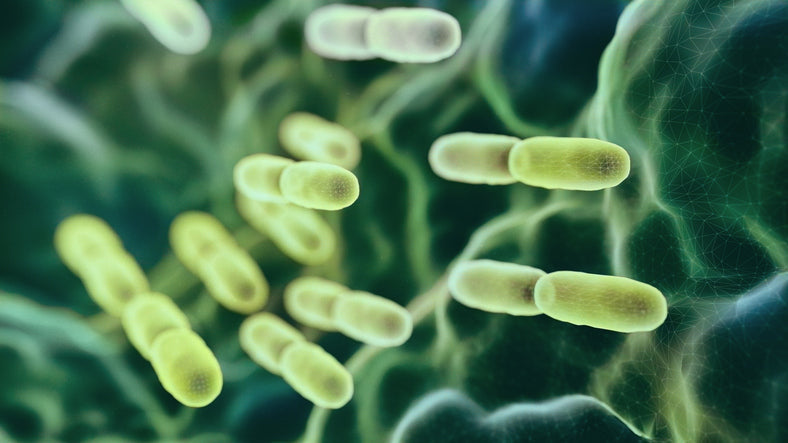
Probiotics are live beneficial microorganisms — the “good bacteria” your gut needs to maintain balance, support digestion, regulate immune function, and protect against harmful bacteria.
High-quality probiotics (like StableGI) help:
-
Replenish beneficial gut bacteria
-
Support microbial balance
-
Improve digestion and nutrient absorption
-
Strengthen gut barrier integrity
-
Reduce inflammation throughout the GI tract
Probiotics are active agents: they help reintroduce and reinforce the beneficial organisms your digestive system relies on daily.
What Are Prebiotics?
Prebiotics are not bacteria.
They are non-digestible fibers that act as food for the beneficial bacteria in your gut — including the probiotics you take.
Common prebiotics include inulin (found in chicory root), fructooligosaccharides (FOS), galactooligosaccharides (GOS), and certain types of resistant starch.
Prebiotics help:
-
Feed and strengthen existing good bacteria
-
Enhance the survival and effectiveness of probiotic supplements
-
Improve gut motility and regularity
-
Support glycemic control by slowing carbohydrate absorption
-
Promote the production of short-chain fatty acids, which reduce inflammation
Prebiotics provide the fuel. Probiotics are the workers.
Why They’re Often Confused
The names sound similar. They both support gut health. They’re both tied to the microbiome.
But the simplest way to remember the difference is:
Probiotics add beneficial bacteria.
Prebiotics feed beneficial bacteria.
They serve different functions but work best as a team.
How Prebiotics and Probiotics Work Together
A probiotic supplement without prebiotic support is like planting seeds in poor soil.
Pairing probiotics with prebiotics creates the ideal environment for microbiome health.
Together, they help:
-
Improve bacterial diversity
-
Strengthen the gut lining
-
Reduce bloating and irregularity
-
Balance inflammatory signals
-
Enhance nutrient absorption
-
Support clearer skin, better immunity, and metabolic wellness
This synergy is often referred to as synbiotic support — the combination of both probiotics and prebiotics for maximum benefit.
Why Probiotics Still Come First
Prebiotics are incredibly helpful, but they don’t introduce new beneficial bacteria — they only support what’s already there.
If your gut microbiome is depleted from:
-
Stress
-
Antibiotics
-
Diet high in processed foods
-
Travel
-
Illness
-
Poor sleep
…you need probiotics first to rebuild and repopulate those beneficial strains.
Prebiotics then help those new bacteria thrive.
How to Decide What You Need
Most people benefit from both, but the starting point depends on your gut:
You may benefit from probiotics first if you experience:
-
Bloating
-
Irregularity
-
Digestive discomfort
-
Skin issues linked to gut imbalance
-
Post-antibiotic recovery
-
High stress levels
You may benefit from adding prebiotics if you want to:
-
Improve regularity
-
Support long-term microbiome resilience
-
Strengthen the effects of a probiotic supplement
-
Improve glycemic balance
-
Support metabolic health
The most effective approach usually blends both — but probiotics do the foundational repair work.
The Takeaway
Prebiotics and probiotics are not interchangeable. They play different roles, but they work together to support a strong, balanced microbiome.
-
Probiotics introduce beneficial bacteria.
-
Prebiotics feed those bacteria and help them thrive.
Pairing the two can significantly improve digestive health, reduce inflammation, and support better energy, immunity, and overall well-being.