How Probiotics Support Healthier, More Resilient Skin
When most people think about probiotics, they think about gut health. And while that’s true, the benefits of probiotics reach far beyond digestion. New research continues to highlight their powerful role in skin health, driven by the close connection between the gut microbiome and the skin microbiome—often called the gut–skin axis.
Probiotics don’t just support a calm, balanced gut. They also influence how your skin looks, behaves, and responds to stress.
The Gut–Skin Connection
Your gut and your skin are in constant communication through the immune system, hormonal pathways, and inflammatory signals. When the microbiome in the gut is balanced, it sends “healthy” signals throughout the body—including to the skin. When it’s disrupted, inflammation increases, the skin barrier weakens, and issues such as dryness, breakouts, redness, or sensitivity can follow.
This is why supporting the gut often leads to noticeable changes in skin clarity, hydration, and resilience.
How Probiotics Influence Skin Health
1. They Help Balance the Skin’s Microbiome
Just like the gut, the skin has its own living community of microorganisms. Probiotics—whether taken as a supplement or applied topically—help support a balanced environment where beneficial microorganisms can thrive.
A more balanced skin microbiome means a calmer, more stable complexion.
2. They Strengthen the Skin Barrier
A strong skin barrier keeps moisture in and irritants out. Certain probiotic strains have been shown to:
-
Support natural ceramide production
-
Improve the skin’s ability to retain hydration
-
Reduce barrier disruption from environmental stressors
The result: softer, smoother, more resilient skin.
3. They Help Reduce Inflammation
Many common skin concerns stem from inflammation—dryness, redness, irritation, flare-ups. Probiotics can influence immune signaling in a way that helps cool down inflammatory responses.
A calmer internal environment often leads to calmer skin on the surface.
4. They Support Hydration From the Inside Out
Because probiotics improve the integrity of the gut lining and support better nutrient absorption, the body becomes more efficient at managing hydration. This internal support contributes to plumper, better-hydrated skin.
Diet vs. Topical Probiotics: What’s the Difference?
Both can help—but they work in different ways.
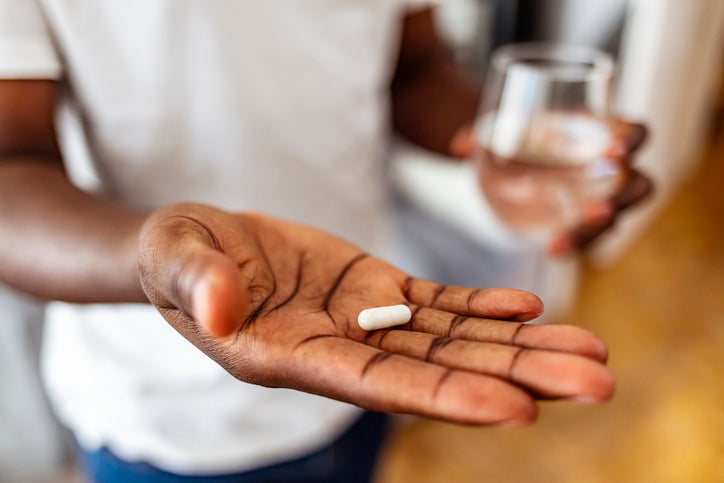
Dietary probiotics (supplements or fermented foods) focus on the gut microbiome. They help regulate immune signaling, inflammation, and nutrient absorption—all of which influence the skin.
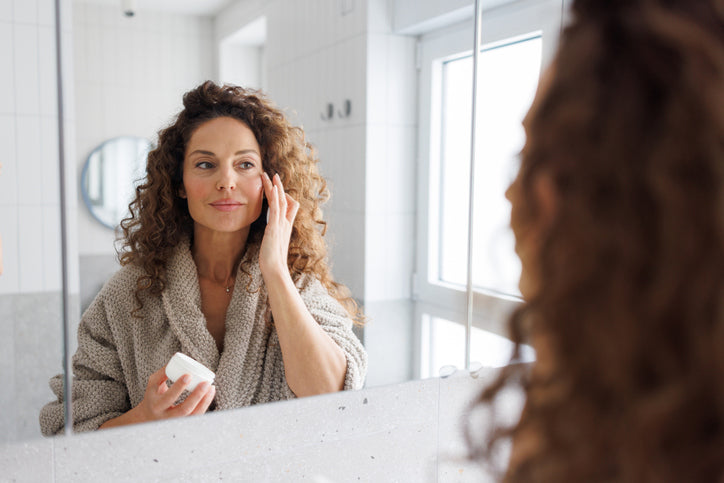
Topical probiotics work directly on the skin’s surface to help:
-
Reduce sensitivity
-
Strengthen the moisture barrier
-
Balance surface bacteria
For most people, the most noticeable improvements come from supporting the gut first, then reinforcing results with topical formulas if needed.
Why Consistency Matters
The skin doesn’t transform overnight. A balanced microbiome develops over time, and probiotics work gradually by improving internal and external environments. Most people notice improvements in:
-
Hydration within 2–4 weeks
-
Sensitivity and redness in 4–6 weeks
-
Texture, clarity, and resiliency over 8–12 weeks
Consistency is everything.
The Takeaway
Probiotics aren’t just for digestion. They play a powerful role in maintaining a balanced microbiome throughout the body—including the skin. By strengthening the skin barrier, reducing inflammation, and enhancing hydration, probiotics help create a healthier, more resilient complexion.
Supporting the gut is one of the most effective ways to support the skin. When your microbiome thrives, your skin often follows.